
Incorrect management of propane may threaten worker safety, harm facilities, and disrupt daily operations. Commercial businesses should enforce rigorous procedures to maintain compliance and minimize risk.
At Davenport Energy, we deliver professional commercial propane solutions throughout the Eastern United States, helping businesses maintain dependable systems that satisfy safety regulations and operational requirements.
This article examines key commercial propane storage safety practices, including precautions, regulatory standards, and storage methods that promote safe, efficient, and reliable facility operations.
Complete Commercial Propane Support for Your Business: From secure storage to dependable fuel delivery, Davenport Energy helps keep your operations safe and running smoothly. Call today!
Key Principles for Safe Propane Storage at Commercial Properties

Effective propane storage starts with recognizing the specific risks and obligations that come with commercial applications. By adhering to established safety practices, businesses can greatly minimize hazards and remain compliant with applicable regulations.
Enhance Your Propane Infrastructure with Confidence: Let Davenport Energy provide and install the ideal tank solution for your business. Contact us today!
Identify Propane Safety Hazards and Potential Risks

Understanding propane’s characteristics is the foundation of proper storage and handling practices. As a highly combustible fuel, propane can create significant dangers when managed improperly. Because its vapors are heavier than air, they can accumulate in low-lying spaces where ignition sources may cause explosions, making awareness of propane vapor hazards critically important.
Temperature changes can also influence tank condition. Higher temperatures raise internal pressure, while colder weather can lower it, and both affect system operation and safety. For this reason, tank pressure management remains a primary concern, along with the installation and upkeep of pressure relief valves to prevent overpressurization and unintended releases.
Simplify Fuel Management With Professional Support: Let Davenport Energy handle your propane tank installations, inspections, and fuel deliveries. Reach out today!
Propane Codes and Safety Requirements
Maintaining regulatory compliance is essential, not optional, for safe commercial propane storage. Facilities are required to adhere to several levels of regulations that dictate how propane is stored, managed, and utilized to minimize hazards and prevent costly violations.
1. State and Local Fire Code Requirements
Your city, county, or state may enforce propane storage requirements that determine the minimum distance propane cylinders must be placed from structures, ignition sources, and property boundaries. These local propane regulations may also define maximum permitted container capacities and whether tanks are allowed indoors or outdoors. Consulting with your fire marshal or local regulatory authority is an important step in maintaining compliance.
2. NFPA 58 (Liquefied Petroleum Gas Code)
NFPA 58 serves as the national standard for the safe storage, transfer, and use of liquefied petroleum gas. It establishes technical requirements covering system design, tank location, ventilation, piping, signage, and emergency shutdown procedures. For commercial propane systems, complying with NFPA 58 helps ensure your facility achieves the highest level of widely recognized industry safety standards.
Powering Your Business With Safety and Reliability: See why companies depend on Davenport Energy for trusted commercial propane services. Contact us today!
3. OSHA Compliance Requirements
OSHA classifies propane as a hazardous material under its compressed gases regulation (29 CFR 1910.101). These requirements include properly labeling cylinders, keeping tanks secured in an upright position, inspecting fittings and connections, and training employees in safe handling practices. Following OSHA propane storage requirements helps minimize workplace accidents and supports a legally compliant safety program.
Select a Dedicated and Secure Propane Storage Location
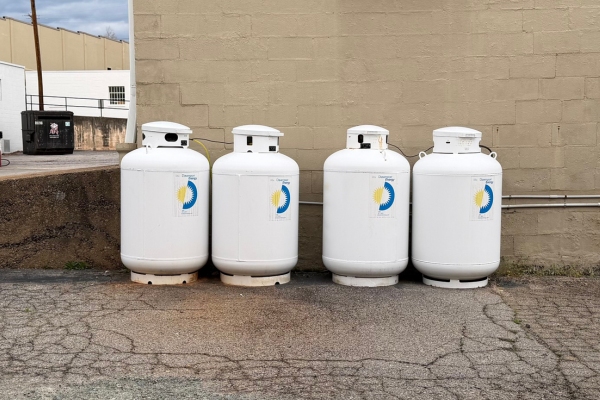
Choosing the right location for propane cylinder storage is crucial for maintaining safety and regulatory compliance. To reduce fire hazards, tanks should always be positioned at least 10 to 20 feet from occupied structures, including nearby doors, windows, and air intake openings.
The storage site should have a level, stable, and properly drained surface, such as concrete or asphalt, to help prevent tipping and minimize standing water that can contribute to component corrosion.
Cylinders should be kept within a lockable, well-ventilated enclosure or a fenced area equipped with clearly visible hazard signs for additional security. Proper ventilation helps prevent vapor accumulation and supports a safe, compliant commercial propane storage area.
Install Commercial Propane Tanks With Confidence: Trust Davenport Energy to deliver compliant, reliable propane solutions that support your operation. Contact us today!
Follow Proper Procedures for Handling and Storing Propane Cylinders
Correct handling and storage of propane cylinders play an important role in preventing accidents, equipment damage, and compliance issues. Always transport cylinders using approved propane carts or dollies to minimize the risk of drops, dents, and valve damage.
Cylinders should remain upright and be secured to a rack or wall with straps or chains to prevent tipping and safeguard the valve assembly. Empty, full, and actively used cylinders must be clearly identified and stored separately to reduce confusion and support accurate inventory management.
Adhering to these propane cylinder storage and handling procedures is critical for maintaining safe tank storage practices and creating a safer, hazard-free environment.
Maintain Adequate Ventilation and Propane Leak Detection Systems
Proper ventilation and dependable gas detection are essential for maintaining a safe propane storage area. Since propane is heavier than air, vapors can collect in enclosed spaces or areas with poor airflow. For this reason, cylinders should be stored in open locations with sufficient natural ventilation to satisfy propane ventilation standards.
Commercial gas detection systems should be positioned at both low and high points to identify settling vapors or developing leaks, providing early alerts before dangerous concentrations occur. These propane leak detection devices should be flame-resistant and approved for industrial applications. Routine calibration and professional maintenance help ensure detection equipment remains accurate, dependable, and fully operational.
Customized Commercial Propane Solutions: Davenport Energy tailors storage and delivery services to fit your business. Contact us today!
Fire Safety and Emergency Response Planning

Every commercial property that stores propane should be prepared to prevent fire risks and respond effectively during an emergency. Consider implementing the following measures to improve overall safety preparedness:
- Keep Emergency Access Routes Clear: Ensure propane storage locations remain unobstructed, well illuminated, and clearly identified so emergency responders can access the area without delay.
- Position Class B Fire Extinguishers Nearby: Place fire extinguishers rated for flammable gas fires within convenient reach of the storage area. Inspect them monthly to verify they remain fully operational.
- Establish an Emergency Response Plan: Develop a comprehensive plan that includes propane leak response procedures, designated evacuation paths, and clearly marked emergency shutoff instructions.
Prevent Downtime With Reliable Propane Deliveries: Stay supplied with automatic delivery options and dependable service from Davenport Energy. Contact us today!
Schedule Routine Inspections of Propane Equipment
Regular propane equipment inspections are essential for maintaining safety and compliance at commercial facilities. Work with certified propane technicians, such as the professionals at Davenport Energy, to conduct thorough assessments of tanks, regulators, valves, and connected piping systems. These specialists perform pressure testing and leak detection procedures to verify that equipment operates safely and effectively under normal conditions.
As part of a professional propane maintenance service, keep detailed records of every inspection, including service dates, inspection results, and any repairs or corrective measures completed. Proper documentation strengthens your commercial propane maintenance strategy and helps demonstrate continued compliance with applicable industry regulations.
Educate Employees and Display Safety Signage

Employee knowledge and effective communication are critical elements of a safe propane storage facility. Offer propane safety instruction to all personnel, covering correct handling methods, ways to identify leak warning signs, and the actions required during an emergency.
Place commercial warning signs prominently throughout storage locations, including “No Smoking,” “Flammable Gas,” and evacuation guidance, using multiple languages when needed to support understanding. Strengthen safety procedures through routine propane emergency drills, conducting leak and fire response exercises at least twice annually to keep employees informed and prepared.
From Warehouses to Restaurants, We’ve Got You Covered: Get professional propane installation and service for virtually any commercial application. Call today!
FAQs: Commercial Propane Storage Safety

What Is the Recommended Inspection Schedule for Commercial Propane Systems?
Commercial propane tanks and associated equipment should undergo a professional inspection at least annually. In some cases, systems used heavily or subjected to severe weather conditions and demanding operations may require more frequent evaluations. Regular inspections help maintain regulatory compliance and minimize the likelihood of expensive safety-related problems.
Are Commercial Facilities Allowed to Store Propane Cylinders Indoors?
In most situations, indoor propane cylinder storage is prohibited or heavily restricted because of ventilation concerns and potential fire hazards. While limited exceptions may apply to specific industrial applications, they must comply with strict fire and building code regulations. Always review local requirements or consult a certified propane supplier to confirm compliance.
Which Fire Extinguisher Should Be Located Near Propane Storage Areas?
Class B fire extinguishers, specifically approved for flammable gas fires, should be placed near propane storage locations. They must remain easily accessible, routinely inspected, and properly maintained in accordance with applicable fire safety requirements.
Do Commercial Properties Have Limits on Propane Cylinder Storage Capacity?
Yes. Most jurisdictions place restrictions on the size and total quantity of propane cylinders permitted on-site, particularly when located near buildings or areas accessible to the public. These requirements are established by NFPA 58, OSHA regulations, and local fire codes. A qualified propane provider can help identify what is permitted at your specific location.
What Steps Should Be Taken If a Propane Leak Is Suspected?
If a propane leak is suspected, evacuate the area immediately. Do not try to identify the leak source, and avoid using cell phones, electronic devices, or anything capable of creating a spark near the affected area. Shut off propane supply valves only when it can be done safely, then contact emergency responders and your propane supplier from a secure location. Maintaining trained personnel and a documented emergency response plan is critical for managing propane leaks safely and efficiently.
Conclusion
Maintaining safe propane storage at commercial facilities demands careful attention to site selection, proper cylinder handling, sufficient ventilation, and ongoing professional inspections. Adhering to these best practices helps reduce hazards, maintain regulatory compliance, and safeguard employees, equipment, and property. From secure storage areas and gas monitoring systems to trained personnel, every component contributes to a safer workplace. Detailed recordkeeping and regularly scheduled inspections further reinforce a strong propane safety program.
Ensure your propane storage remains safe and compliant. Contact Davenport Energy today, your trusted partner for commercial propane solutions and safety services.
Dependable Commercial Propane Service: Keep your business supplied with prompt, professional propane delivery from Davenport Energy. Contact us today!
Contact Davenport Energy for Trusted Commercial Propane Solutions
Davenport Energy is a dependable provider of residential and commercial propane delivery throughout the Eastern United States. With our extensive industry experience and a commitment to customer satisfaction, we provide homeowners and businesses with safe, timely deliveries and reliable service. Whether you need propane for a residence, restaurant, marina, resort, or other commercial operation, our team delivers the expertise and responsiveness you can count on.
We make propane management straightforward and cost-effective. Davenport Energy offers flexible delivery programs and competitive pricing options designed around your specific requirements. Our team works closely with customers to maintain a reliable fuel supply, offer convenient payment options, and coordinate delivery schedules that align with residential and business needs.
When you choose Davenport Energy, you gain more than a propane supplier. You gain a trusted energy partner dedicated to serving customers across the Eastern United States with professionalism, safety, and personalized attention. Contact us today to learn more about our reliable propane services and customized fuel solutions. Call now!
You can click here to contact us now or call us at 800-971-3835 to find out more! Click the link to view our service area.

Related Articles: