
Residential and Commercial Fuel Options

Compare Fuels and Find the Right Solution

Compare Residential and Commercial Fuels Based on Your Equipment and Needs.

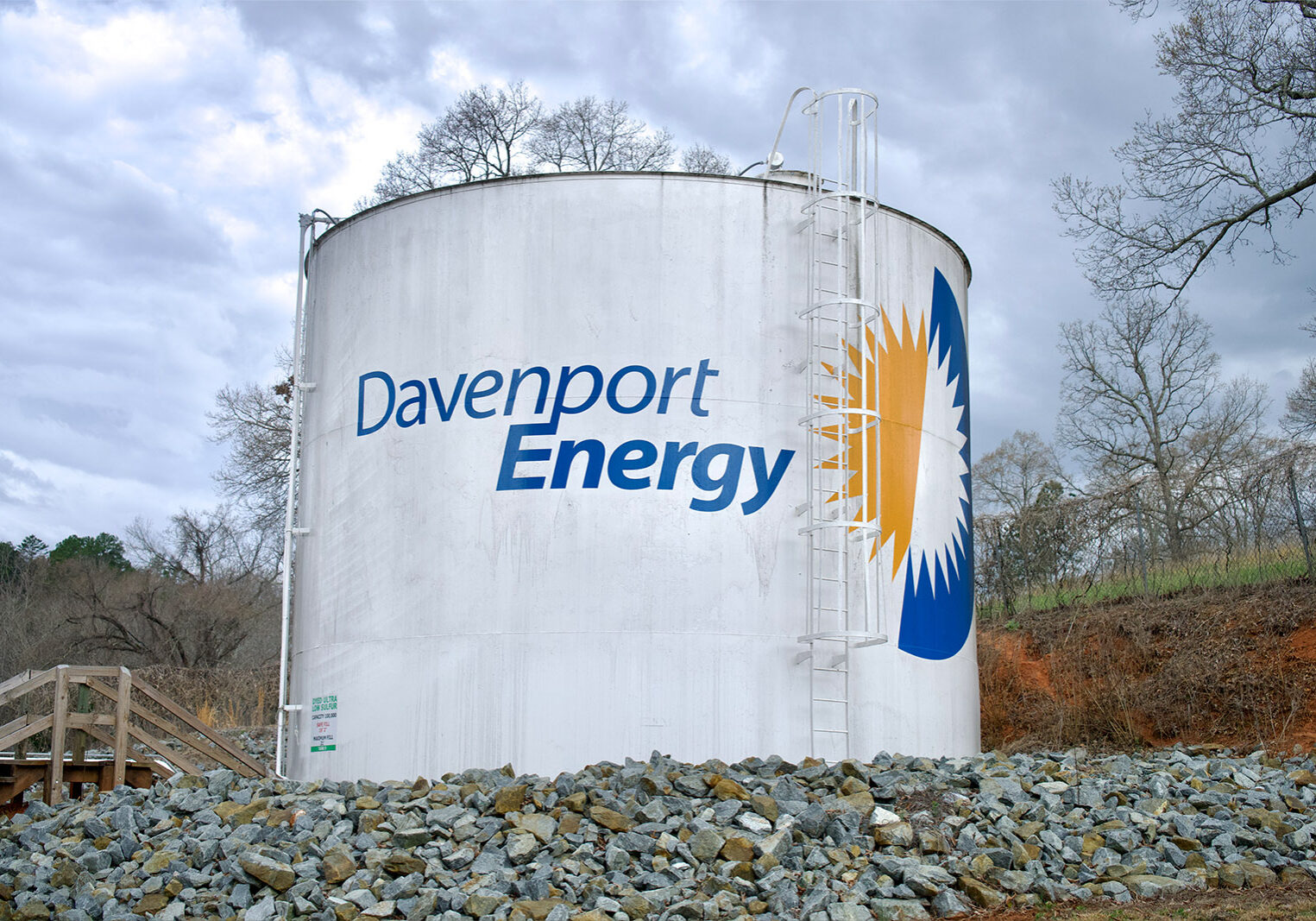
heating oil storage tank and commercial and residential fuel supply and davenport energy

Explore Fuel Options for Homes and Businesses

Different fuels serve different purposes. The right choice depends on what you need to heat, power, or operate, along with your existing equipment and storage. Compare the residential and commercial fuel options below, then let Davenport Energy help you plan a dependable supply.

Compare Residential Fuel Options

Open each fuel to see what it is used for, the equipment it requires, how it is stored, and why it may fit your home.

Propane

What it is: A versatile stored energy source for compatible home systems and appliances.

Commonly used for: Home heating, water heating, cooking, fireplaces, clothes drying, pool heating, and propane-powered standby generators.

Equipment required: Appliances and systems specifically designed or professionally converted for propane.

How it is stored: In a dedicated aboveground or underground propane tank at the property.

Why it may fit: One on-site fuel source can serve several compatible household systems and appliances.

Delivery: Automatic or will-call delivery, subject to location and service availability.

Heating Oil

What it is: A dedicated heating fuel for homes with compatible oil-fired systems.

Commonly used for: Oil-fired furnaces, boilers, and compatible water-heating equipment.

Equipment required: A heating system specifically designed for heating oil.

How it is stored: In a dedicated indoor or outdoor heating oil tank at the property.

Why it may fit: It is a straightforward option for homes that already use oil-fired heating equipment.

Delivery: Automatic or will-call delivery, subject to tank, location, and service availability.

Kerosene

What it is: A heating fuel for residential equipment specifically designed or approved for kerosene.

Commonly used for: Compatible furnaces, heaters, and other manufacturer-approved residential heating applications.

Equipment required: Heating equipment specifically approved for kerosene. It should not be substituted for another fuel without professional confirmation.

How it is stored: In a compatible, dedicated on-site tank with safe delivery access.

Why it may fit: It serves homes whose existing heating equipment or application specifically requires kerosene.

Delivery: Automatic or will-call delivery, subject to tank, location, and service availability.

Compare Commercial Fuel and Fluid Options

Open each product to see what it supports, the equipment and storage it requires, and how it may fit your operation.

Commercial Propane

What it is: A versatile commercial fuel for compatible buildings, equipment, and specialized operations.

Commonly used for: Facility heating, water heating, forklifts, cooking, agricultural applications, and propane-powered secondary power systems.

Equipment required: Commercial appliances, engines, equipment, or generators designed or converted for propane.

How it is stored: In one or more dedicated commercial propane tanks sized for the application and demand.

Why it may fit: It can support several compatible needs across a facility or operation from one on-site supply.

Delivery: Scheduled, automatic, or usage-based commercial delivery, subject to site requirements and availability.

Fleet Diesel

What it is: A primary engine fuel for diesel-powered vehicles, machinery, and equipment.

Commonly used for: Commercial trucks, heavy equipment, construction machinery, agricultural equipment, and diesel-powered generators.

Equipment required: Vehicles, engines, and equipment designed for the supplied grade and type of diesel fuel.

How it is stored: In an approved commercial diesel tank or supplied through an appropriate fleet-fueling program.

Why it may fit: Bulk delivery can reduce retail fueling trips and keep diesel-powered assets supplied on-site.

Delivery: Bulk tank delivery, fleet fueling, or a planned commercial supply program based on the operation.

Diesel Exhaust Fluid (D.E.F.)

What it is: An emissions-control fluid, not a fuel, for diesel equipment with selective catalytic reduction systems.

Commonly used for: SCR-equipped diesel trucks, vehicles, and machinery that require D.E.F. to operate their emissions systems correctly.

Equipment required: A diesel vehicle or machine with a separate, clearly marked D.E.F. tank.

How it is stored: In clean, dedicated D.E.F. containers or bulk storage. It must never be placed in a diesel fuel tank.

Why it may fit: Maintaining an on-site supply helps keep SCR-equipped diesel assets ready for operation.

Supply options: Packaged or bulk supply may be available based on usage, storage, and location.

Renewable Diesel

What it is: A lower-carbon diesel fuel option for compatible diesel-powered applications.

Commonly used for: Compatible fleet vehicles, heavy equipment, machinery, and diesel-powered systems.

Equipment required: Diesel engines approved for the specific renewable diesel product and fuel specification.

How it is stored: In an approved diesel storage system that meets product and site requirements.

Why it may fit: It can help qualifying operations pursue fuel-related sustainability goals while serving compatible diesel assets.

Delivery: Bulk commercial supply is subject to product specifications, location, and availability.

Commercial Gasoline Supply

What it is: A primary engine fuel for gasoline-powered fleet vehicles and equipment.

Commonly used for: Cars, vans, light-duty trucks, grounds equipment, tools, and compatible gasoline-powered generators.

Equipment required: Vehicles, engines, and equipment designed for the supplied gasoline grade.

How it is stored: In an approved commercial gasoline tank with appropriate dispensing and safety equipment.

Why it may fit: On-site supply can reduce fueling trips and make gasoline more accessible to company vehicles and equipment.

Delivery: Bulk delivery and managed supply options depend on tank, usage, location, and site access.

Fuel choice is determined by your equipment, tank, application, and local availability. Fuels are not interchangeable.

Ready to Choose Your Fuel Solution?

Whether you need fuel for your home, fleet, equipment, or facility, Davenport Energy can help you compare compatible options and arrange a dependable delivery solution.

Fuel Comparison
FAQs

Which Fuel Is Best for Heating My Home?

The right residential fuel typically depends on your existing heating system, tank, property, and household needs. Davenport Energy can help you compare propane, heating oil, and kerosene based on your current setup.

What Is the Difference Between Propane and Heating Oil?

Propane can support compatible heating systems, water heaters, cooking appliances, fireplaces, and generators. Heating oil is primarily used in oil-fired home heating systems. Your existing equipment may determine which option is appropriate.

Is Automatic Fuel Delivery Available?

Automatic delivery may be available for qualifying residential and commercial accounts. Delivery timing is generally planned using estimated consumption and other operating factors.

What Is the Difference Between Automatic and Will-Call Delivery?

Automatic delivery reduces the need to monitor your supply and request each refill. With will-call delivery, you are responsible for checking your tank and placing orders with enough time for delivery.

Which Fuel Is Best for a Commercial Fleet?

The correct product depends on the vehicles and equipment in your fleet. Gasoline, fleet diesel, renewable diesel, propane, and D.E.F. each support different applications and requirements.

residential and commercial fuel comparison by davenport energy