
Warm summer weather may appear harmless to a heating oil system. Yet, higher temperatures and increased humidity can gradually create conditions that affect the tank and stored fuel over time.
This article explores how summer heat and humidity can contribute to heating oil tank corrosion, condensation, internal rust, and fuel deterioration. It also explains how moisture enters the tank, why changing temperatures play a role, and the practical steps homeowners can take to help prevent damage during the warmer months.
Protect Your Heating Oil System From Moisture Damage: Trust Davenport Energy for reliable fuel delivery and expert service. Call today!
How Summer Weather Affects Heating Oil Tanks
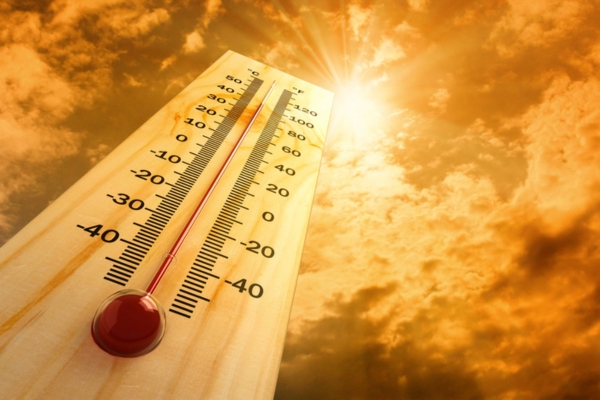
Although heating systems operate less often during summer, heating oil tanks remain exposed to environmental conditions that can reduce fuel quality and weaken tank integrity over time. Heat, humidity, and ongoing temperature changes can gradually create moisture-related issues that often remain unnoticed until the heating season begins.
Reduce Moisture Risks With Reliable Heating Oil Delivery: Trust Davenport Energy for dependable fuel service throughout the Eastern United States. Contact us today!
The Effects of Summer Heat and Humidity on Heating Oil Tanks

Summer heat and high humidity can gradually impact heating oil tanks and the fuel stored inside them. Moisture accumulation, changing temperatures, and long storage periods can create conditions that slowly damage tank components and reduce fuel quality over time.
Condensation Can Form Inside the Tank
Warm daytime temperatures followed by cooler nights create temperature changes that encourage condensation inside heating oil tanks. As humid air enters through the vent, moisture collects on the interior walls before dripping into the fuel supply.
Tanks that are only partially filled are especially susceptible because the larger air space allows more humid air to circulate. Even limited water accumulation can eventually contribute to fuel quality issues and internal corrosion.
Protect Your Fuel Supply Before Winter Returns: Schedule dependable heating oil service with Davenport Energy today!
Moisture Raises the Risk of Corrosion
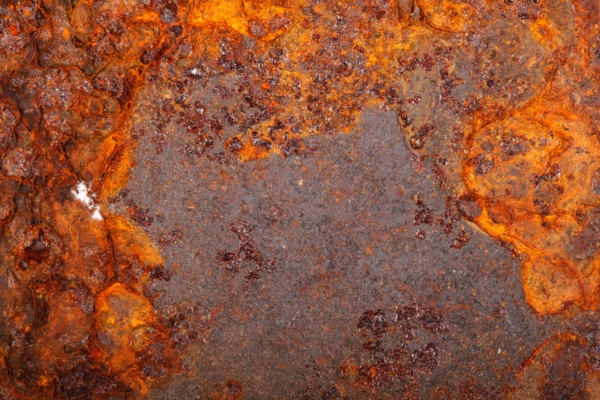
Water inside a heating oil tank encourages internal rust and corrosion, especially in steel tanks. Over time, moisture can weaken the tank walls, seams, and fittings, increasing the likelihood of leaks and fuel contamination. Since corrosion often begins inside the tank before exterior damage becomes visible, identifying the problem early can be more challenging, particularly with older tanks.
Heat Can Accelerate Fuel Degradation
High temperatures can gradually reduce heating oil stability during extended storage periods. As the fuel ages, sediment may collect near the bottom of the tank. This buildup can clog filters, restrict fuel lines, and reduce burner performance when the heating system is placed back into operation.
Safeguard Your Heating Oil Tank for the Long Term: Choose Davenport Energy for dependable fuel solutions. Call now!
Humidity Can Promote Microbial Growth
Moisture inside the tank can create conditions that allow bacteria and other microbes to grow where water and fuel meet. Over time, this contamination may produce sludge that clogs filters, lowers heating efficiency, creates unpleasant odors, and increases wear on fuel system components.
Why Temperature Changes Matter
Heating oil tanks naturally expand and contract as temperatures increase during the day and drop at night. Over time, these repeated expansion cycles can place additional stress on older tanks, seals, fittings, and connectors, increasing the risk of wear and leaks.
Partially filled tanks are particularly susceptible because the larger empty space allows more humid air to circulate, raising the risk of condensation inside the tank. Outdoor heating oil tanks face even greater exposure to sunlight, rain, humidity, and frequent temperature swings throughout the summer, which can speed up exterior wear and contribute to moisture-related damage over time.
Keep Your Heating System Ready for Every Season: Count on Davenport Energy for reliable heating oil delivery and expert service. Contact us today!
The Risks of Neglecting Heating Oil Tanks During Summer
Heating oil tank issues often develop slowly during the warmer months, making them easy to miss. Water accumulation, sediment deposits, and microbial growth can build inside the tank for months without producing obvious warning signs.
Many homeowners do not discover these problems until the heating system is turned on again during colder weather. By then, contaminated fuel may already be affecting filters, nozzles, and fuel lines, reducing heating efficiency while increasing the risk of burner issues and unexpected service interruptions.
Corrosion is another significant concern. Internal rust can gradually weaken tank walls, seams, and fittings, particularly when moisture remains inside the tank for extended periods. Small corroded areas may slowly expand, increasing the likelihood of leaks, environmental contamination, and expensive tank replacement. Postponing maintenance often allows minor problems to develop into larger, more costly repairs by the time the heating season returns.
Preventive Measures Homeowners Can Take
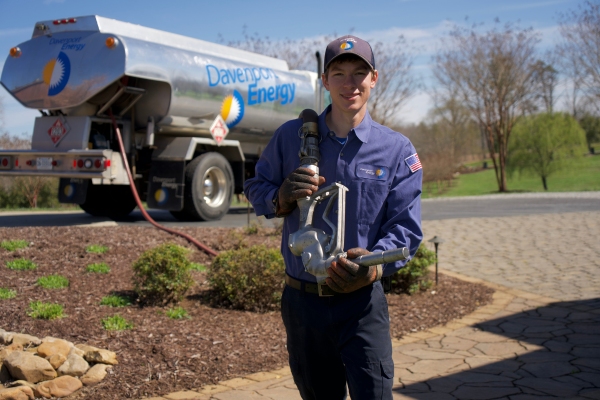
Taking a few preventive steps during the summer can help protect heating oil tanks from moisture-related damage, fuel contamination, and unnecessary wear. Regular inspections and seasonal maintenance often reduce the chance of costly repairs later.
- Maintain a Proper Fuel Level: Keeping an adequate amount of heating oil in the tank during summer reduces empty air space, helping limit condensation and moisture buildup.
- Check the Tank for Exterior Damage: Homeowners should regularly inspect the tank for visible rust, peeling paint, damp spots, unstable supports, or signs of water exposure around it.
- Use Fuel Additives When Recommended: Fuel additives can help stabilize heating oil during extended storage and reduce moisture-related contamination when recommended by a qualified professional.
- Protect Outdoor Tanks From Excess Exposure: Providing shade when possible and maintaining proper drainage around outdoor tanks can help reduce heat exposure and limit moisture accumulation.
Reduce the Risk of Tank Corrosion and Fuel Contamination: Trust Davenport Energy for dependable heating oil service. Reach out today!
FAQs: Heating Oil Tank Corrosion

Can Summer Storms Allow Water Into an Oil Tank?
Yes. Water can enter a heating oil tank if the fill cap, vent cap, or seals are loose, damaged, or improperly secured. Heavy rainfall and prolonged summer humidity increase moisture exposure around outdoor tanks. Even small amounts of water entering the system can gradually lead to corrosion and fuel contamination.
What Causes Home Heating Oil Tanks to Sweat in Hot Weather?
Heating oil tanks “sweat” when warm, humid air comes into contact with a cooler tank surface, causing condensation to form on the exterior. It is similar to the moisture that develops on a cold beverage during humid conditions. If this condensation remains on the tank for long periods, it can increase the likelihood of exterior rust and surface corrosion.
Can High Summer Humidity Damage Fuel Oil Tank Components?
Yes. Prolonged exposure to humidity and moisture can contribute to corrosion around gauges, fittings, valves, and fuel lines, particularly on older systems or outdoor tanks. Over time, this corrosion may reduce component accuracy, increase the risk of leaks, and make routine maintenance more challenging.
Why Are Older Heating Oil Tanks More Susceptible to Corrosion?
Older heating oil tanks are generally more prone to corrosion because of years of exposure to moisture, changing temperatures, and gradual material wear. Protective coatings can deteriorate over time, making it easier for rust to form when condensation or water accumulates. Aging tanks may also have thinner metal, weakened seams, or hidden internal corrosion that worsens with continued exposure to moisture, increasing the risk of leaks, fuel contamination, and structural damage.
What Are the Signs of Moisture Problems Inside an Oil Tank?
Common warning signs include unusual burner odors, reduced heating performance, darkened fuel filters, inconsistent system operation, or visible rust around fittings and seams. However, some moisture-related issues develop without noticeable symptoms, making periodic professional inspections an important part of long-term tank protection.
Conclusion
Summer heat and humidity can contribute to condensation, internal corrosion, and fuel degradation inside heating oil tanks, especially when tanks are older or only partially filled. Temperature changes and excess moisture increase the risk of contamination, structural deterioration, and heating system performance issues over time. Routine maintenance, regular inspections, and preventive care help preserve fuel quality and support long-term system reliability.
Protect your heating oil system before minor summer issues become expensive winter repairs by contacting Davenport Energy for reliable heating oil tank support and professional service throughout the Eastern United States.
Stay Ahead of Seasonal Heating Oil Problems: Trust Davenport Energy for expert fuel care and dependable service. Call today!
Contact Davenport Energy for Trusted Heating Oil and Home Comfort Solutions
Homeowners and businesses rely on Davenport Energy for reliable heating oil delivery throughout the Eastern United States, helping maintain dependable indoor comfort during the colder months. We emphasize prompt service, premium fuel, and clear communication so customers can manage their heating needs with confidence.
Our team provides flexible delivery schedules and payment plans designed to meet a variety of household needs, making it easier to maintain a dependable fuel supply with less hassle. Every delivery is completed with a strong focus on safety, efficiency, and customer satisfaction.
At Davenport Energy, we take pride in delivering dependable service, expert craftsmanship, and customer-first support. Contact us today to learn more about our heating oil delivery options and complete home comfort solutions.
You can click here to contact us now or call us at 800-971-3835 to find out more! Click the link to view our service area.
Related Articles: