
Quick answer: If your home already runs on an oil tank and boiler, heating oil delivers more heat per gallon (about 138,500 BTU versus roughly 91,500 BTU for propane) and holds up well to a cold Virginia winter. Propane burns cleaner and can power far more of the house (cooking, hot water, fireplaces, and standby generators), so it suits homes without existing oil equipment. The right fuel comes down to the equipment you already own, what else you want the fuel to run, and today’s local price per gallon.
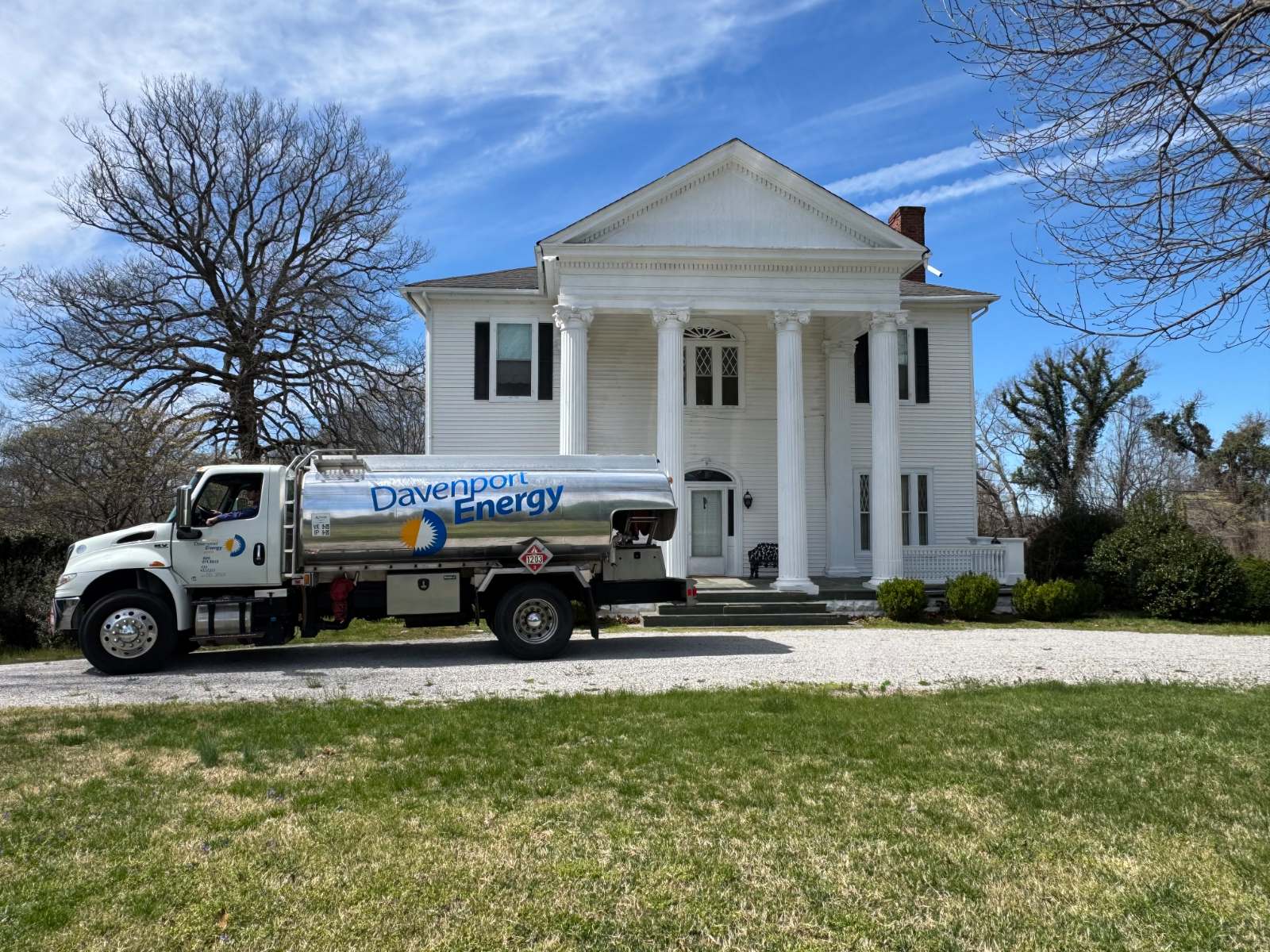
Heating Oil vs. Propane at a Glance
If you want the short version before the details, this side-by-side covers the points that matter most to a homeowner. If propane is the direction you are leaning, our guide to home propane covers what owning one involves.
| Factor | Heating Oil | Propane |
|---|---|---|
| Heat per gallon | ~138,500 BTU | ~91,500 BTU |
| Burns | Warm, fast heat; modern low-sulfur and Bioheat blends run cleaner than older oil | Very clean; low emissions and little residue |
| What it can run | Home heating (furnace/boiler) and hot water | Heating, hot water, cooking, clothes dryers, fireplaces, pool heaters, and standby generators |
| Storage | On-site tank (basement or buried), oil does not evaporate | Pressurized on-site tank, owned or leased |
| Best fit | Homes with existing oil equipment in colder areas | New installs, whole-home fuel needs, homes off the natural-gas grid |
How Much Heat Do You Actually Get Per Gallon?
This is where the two fuels split the most. A gallon of heating oil holds about 138,500 BTU of energy, while a gallon of propane holds about 91,500 BTU, according to the U.S. Energy Information Administration. In plain terms, one gallon of oil delivers roughly one and a half times the heat of one gallon of propane.
That does not automatically make oil cheaper to heat with, because propane usually costs less per gallon and modern propane equipment tends to run at higher efficiency. But it does mean you can’t compare the two on price per gallon alone. To compare honestly, you have to look at cost per unit of heat (per BTU or per million BTU), factoring in both the fuel price and your equipment’s efficiency.
“Heating oil is sold mainly for boilers and furnaces (for space heating) and for water heaters.”
U.S. Energy Information Administration
Which Costs Less to Heat Your Virginia Home?
Both fuels move with the market, so prices shift through the season and from year to year. The honest answer is that the cheaper fuel depends on the current spread between oil and propane prices in your area and how efficient your heating system is. When oil prices spike, a high-efficiency propane system can win; when propane climbs, oil’s higher energy content per gallon pulls ahead.
Two things protect your budget no matter which fuel you burn. First, keep your equipment tuned and your home tight, our guide to reducing home heating costs walks through the upgrades that cut consumption the most. Second, ask about budget and price-protection plans that spread payments evenly across the year so a cold January doesn’t land as one painful bill. You can also avoid emergency runout fees by moving to automatic delivery, where we track your usage and top off the tank before it gets low.
Efficiency, Equipment, and How Clean They Burn
Efficiency is set by the appliance, not just the fuel. Modern oil boilers and furnaces commonly land in the mid-80s to low-90s for AFUE, while high-efficiency propane furnaces can reach up to about 98% AFUE, per the U.S. Department of Energy. A higher AFUE means more of every gallon turns into usable heat instead of going up the flue.
On cleanliness, propane has the edge: it burns with very low emissions and leaves little residue, which is part of why it’s popular for indoor appliances like ranges and dryers. Heating oil has come a long way too, today’s low-sulfur and Bioheat blends burn far cleaner than the oil of a generation ago and produce less soot and buildup in the system.
Davenport delivers the fuel and keeps your tank full; the furnace, boiler, or appliance work itself should always be handled by a qualified heating professional. If you’re weighing new equipment, factor its efficiency rating into your fuel decision, not just the sticker price.
See What Propane Can Power in Your Home
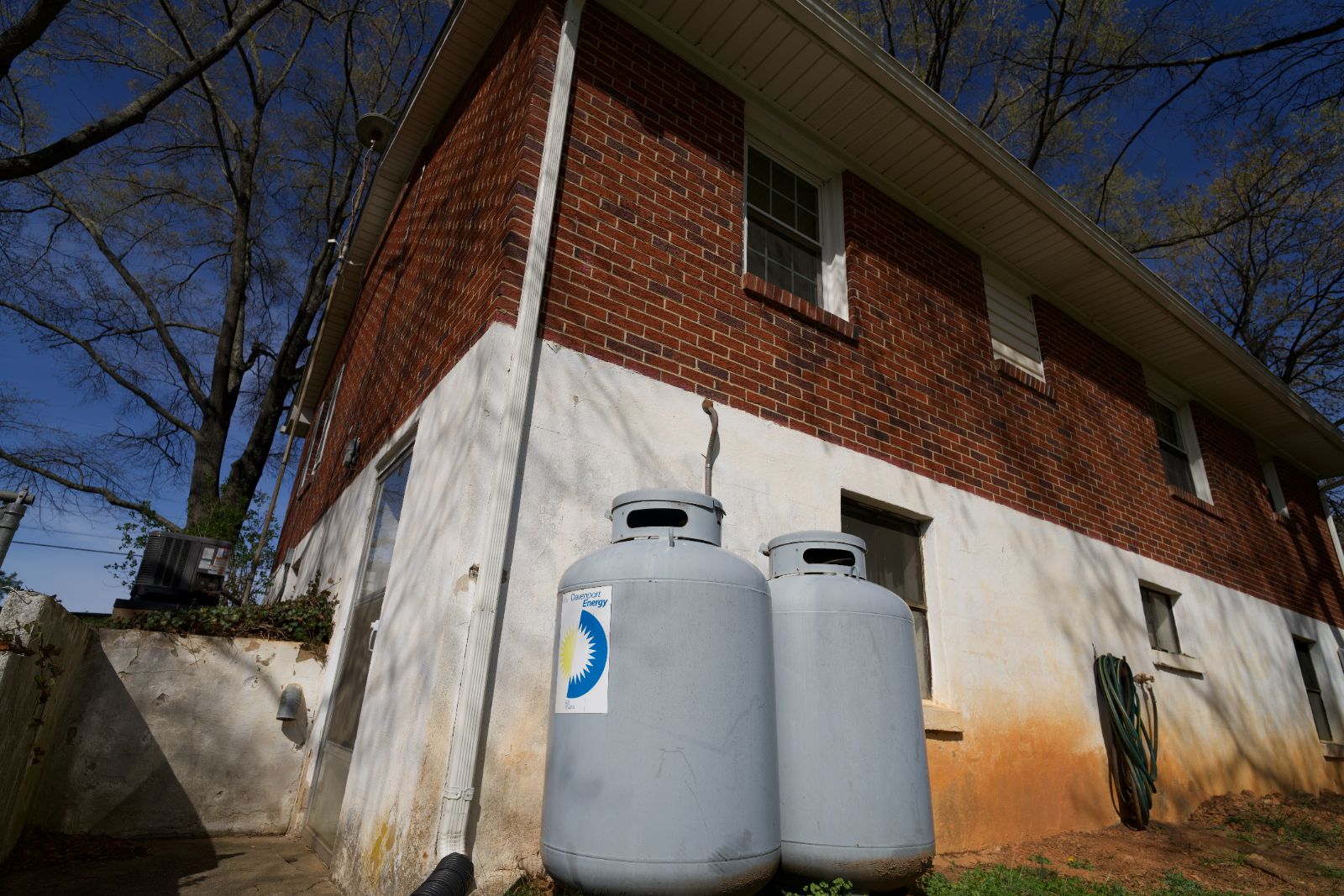
Propane does more than heat your home. The same tank can run your stove, water heater, clothes dryer, fireplace, and a standby generator, so one fuel handles comfort, cooking, and backup power when the weather turns. That whole-home flexibility is a big reason Virginia homeowners pick propane instead of juggling several energy sources, and it stores safely in a tank on your own property. The short video shows how Davenport delivers and services propane for exactly these uses.
Can You Switch From Heating Oil to Propane?
Yes, plenty of homeowners do, usually when they’re replacing an aging system or want one fuel to run the whole house. A switch means new propane-rated equipment and a propane tank, so it’s a project to plan with a qualified heating professional, not a same-day swap. Heating oil and propane are never stored in the same tank or run through the same appliance.
If you’re considering it, start by looking at our residential propane services to see what propane can power in your home, then talk to us about tank options and delivery. If you’re staying with oil, our residential heating oil page covers delivery, tank care, and plans.
So, Which Fuel Should You Choose?
Choose heating oil if your home already has oil equipment in good shape, you’re in one of the colder pockets of Southwestern Virginia, and you want maximum heat per gallon for space heating. Staying with what’s installed is almost always cheaper than converting.
Choose propane if you’re building or replacing your system, you want one fuel to handle heating plus cooking, hot water, a fireplace, or a standby generator, or your home isn’t served by natural gas and you want a clean, flexible option. For many Virginia homes, propane’s versatility is the deciding factor.
Heating Oil vs. Propane: FAQs
Is propane cheaper than heating oil?
It depends on current local prices and your equipment. Propane usually costs less per gallon, but heating oil delivers about 1.5 times more heat per gallon, so the cheaper fuel changes with the market. Compare cost per BTU, not per gallon.
Does a gallon of heating oil produce more heat than propane?
Yes. Heating oil holds about 138,500 BTU per gallon versus roughly 91,500 BTU for propane, so a gallon of oil delivers about one and a half times the heat.
Is propane cleaner than heating oil?
Propane burns with very low emissions and little residue. Heating oil is cleaner than it used to be thanks to low-sulfur and Bioheat blends, but propane is still the cleaner-burning of the two.
Can I switch from heating oil to propane?
Yes, but it requires new propane-rated equipment and a propane tank installed by a qualified heating professional. The two fuels never share a tank or an appliance.
Can heating oil and propane use the same tank?
No. Each fuel needs its own dedicated, properly rated tank and appliances. They are never mixed or stored together.
Heating Oil and Propane, Delivered Across Virginia
Davenport Energy delivers both heating oil and propane to homes throughout Central, Southside, and Southwestern Virginia, backed by dependable automatic delivery, flexible payment plans, and a team that knows the region’s winters. Whether you’re sticking with oil, leaning toward propane, or just trying to figure out the smartest move for your home, we’re glad to talk it through. Contact Davenport Energy and we’ll help you land on the right fuel and a delivery plan that fits.
Davenport Energy
120 S. Main Street, Chatham, VA 24531
Call: (800) 971-3835